
The region around Khora—especially Ghaziabad and nearby Delhi—has a very rich ancient past, and Khora sits within that historical landscape
Ancient and Early History

History of Khora
The area falls within the cultural zone of ancient Kuru Kingdom, mentioned in the Mahabharata.
Nearby regions like Indraprastha (ancient Delhi) were major centers during this period.During the time of the Maurya Empire (3rd century BCE), this region was under centralized administration. Later, the Gupta Empire (4th–6th century CE) brought prosperity, art, and learning to northern India.
Archaeological findings in nearby areas show settlements, trade routes, and agriculture.The region became part of the Delhi Sultanate and later the Mughal Empire.
It served mostly as agrarian land and transit routes connecting Delhi with other parts of North India.The Medieval Period of the region where Khora (Khora Colony) exists today is rich and eventful—even though Khora itself was not a major historical town at the time. Its importance comes from being part of the larger Delhi–Ghaziabad region, which was a political and cultural center for centuries.Founded by Babur after the First Battle of Panipat.
The region became part of a highly organized empire with Delhi as a major capital. Under famous rulers:
Akbar Strengthened administration and land revenue systems
Promoted religious tolerance and cultural integration
Shah Jahan Built architectural wonders like Red Fort Developed roads and trade routes near the region
Aurangzeb Expanded the empire but also saw the beginning of its decline
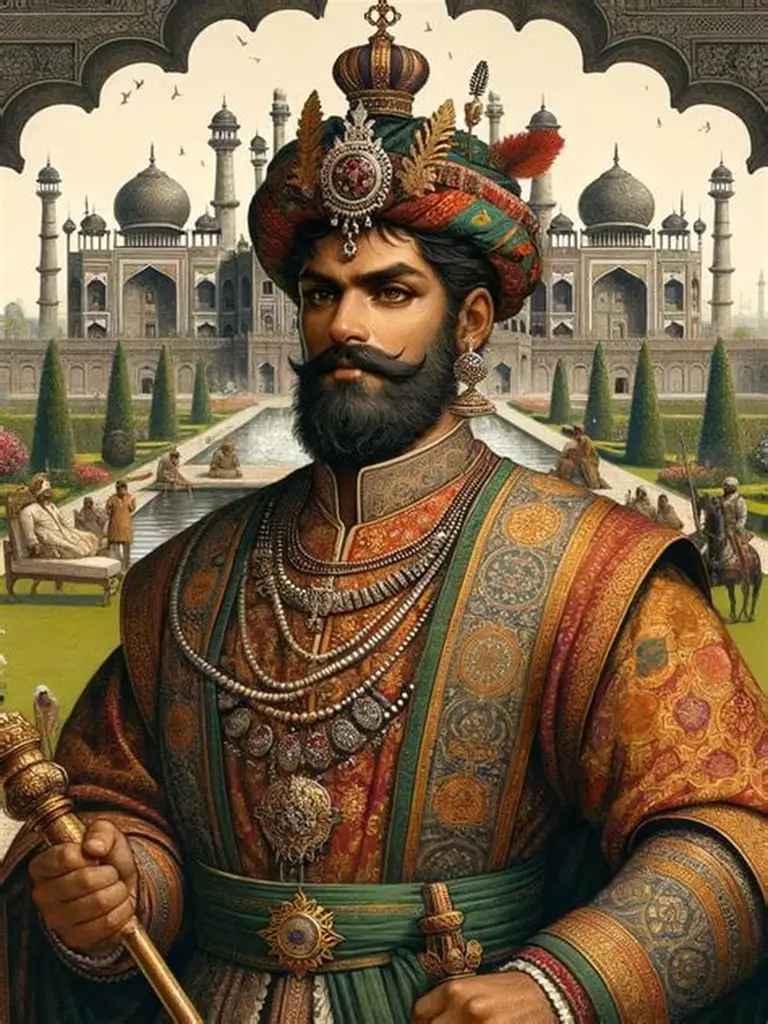
Urban Development & Infrastructure of Khora
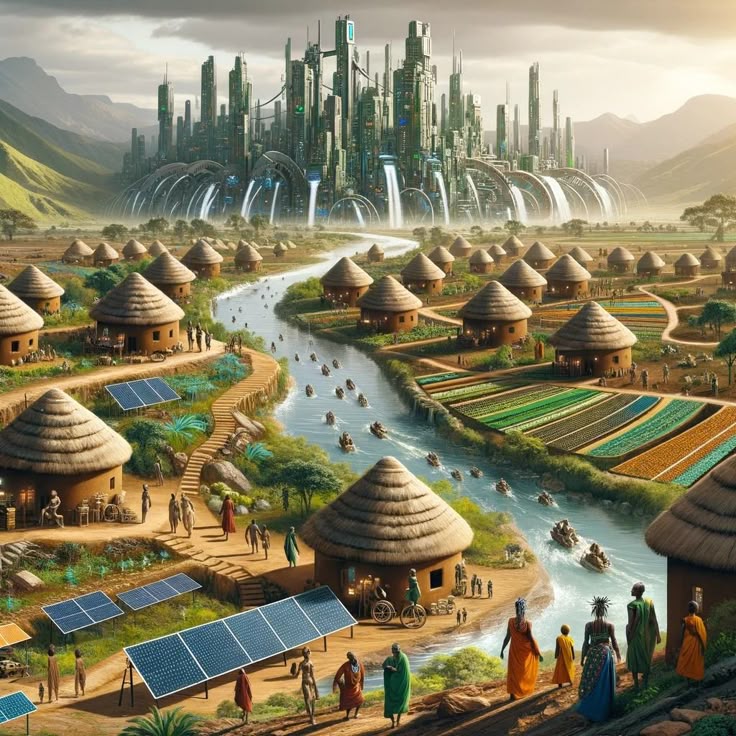
Connectivity Transportation & Growth
Khora (Khora Colony)—located next to Noida and within the influence of Ghaziabad—is a classic example of rapid, unplanned urban growth in the Delhi NCR region. Its development is recent but intense, driven by migration and proximity to major employment hubs.
Khora was originally a small agrarian village
Economy based on: Farming (wheat, vegetables, dairy) Local village trade Houses were sparse, with open land, fields, and ponds
The transformation began when nearby regions rapidly developed: Expansion of Delhi and the rise of Noida as an IT and industrial hub Increased migration of workers from across India Rising demand for low-cost housing near job centers
Land was divided into small plots and sold quickly
Construction happened without proper city planning: Narrow lanes Limited open spaces
Rise of: Multi-story houses Rental accommodations for migrants As growth outpaced planning: Roads remained narrow and crowded Water supply depended on borewells and tankers Drainage and sewage systems remained underdeveloped
Our Culture & Our Pride
Cultural Extravaganza
Khora Colony, near Ghaziabad and Noida, is more than just a densely populated area—it’s a vibrant blend of traditions, diversity, and everyday resilience. Its culture reflects the spirit of people who have come from different parts of India and built a shared identity.Khora is home to people from various states, languages, and religions
Festivals from across India are celebrated together: Diwali, Eid, Holi, Chhath Puja, Navratri This mix creates a mini-India atmosphere where cultures coexist and interact daily
Community Bond & Lifestyle Strong sense of neighborhood connection
People support each other during: Festivals Family events Difficult times Streets are lively with children playing, vendors calling, and daily social interactions
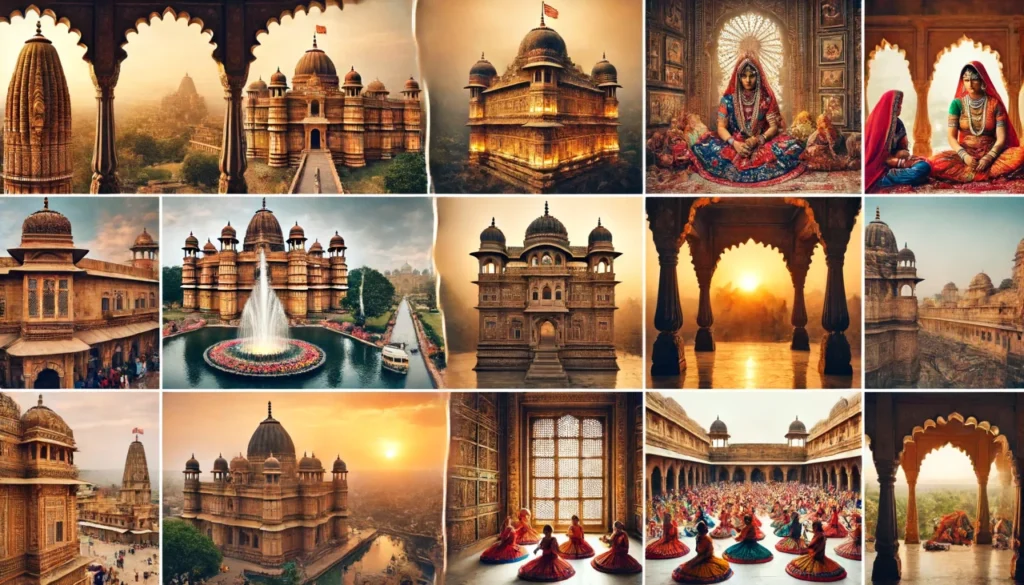
Local Busines& Markets
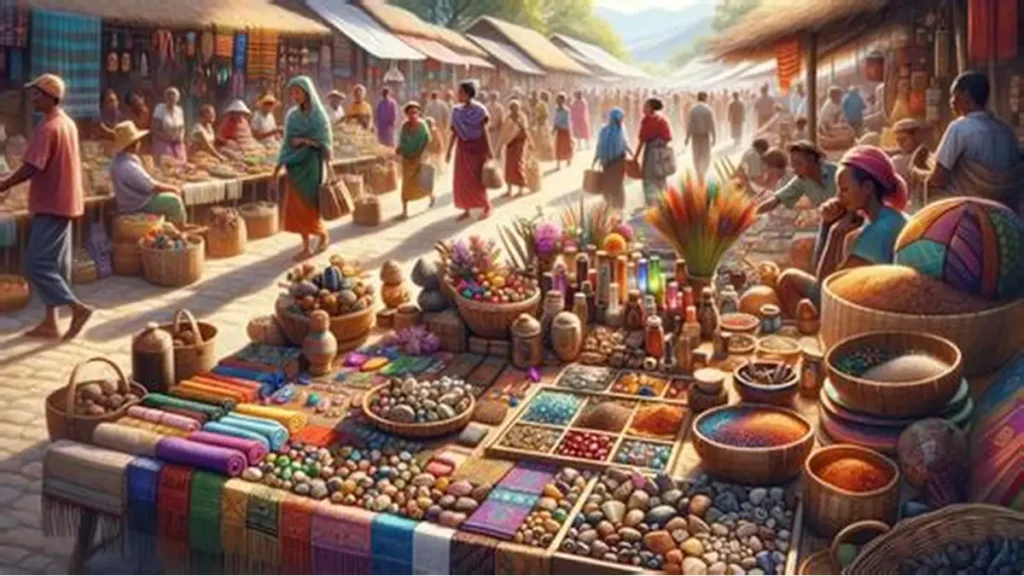
Local Markets of Khora
Khora Colony, located near Ghaziabad and Noida, has a highly active local economy built on small businesses, street markets, and daily-need services. Even without large malls inside Khora, its markets are lively, affordable, and essential to everyday life.
Mostly informal and unorganized markets Shops are spread along: Main roads Narrow streets (gullies) Markets operate from early morning till late night
Informal Economy A large part of Khora’s economy runs on: Street vendors Daily wage workers Small entrepreneurs Many businesses operate without formal registration Provides employment to a large population
Railway & Local Transport
Khora Colony, located near Ghaziabad and Noida, enjoys strong connectivity through a mix of railway and local transport systems. Although Khora does not have its own railway station, nearby stations like Ghaziabad Junction and Anand Vihar Terminal provide access to long-distance and regional trains, linking the area to major cities across India. For daily commuting, residents rely heavily on the Delhi Metro, with nearby stations in Noida and East Delhi offering fast and affordable travel. In addition, local transport options such as shared autos, e-rickshaws, cycle rickshaws, and private buses are widely available and form the backbone of short-distance travel within and around Khora. This combination of rail, metro, and road-based transport makes Khora a well-connected locality, supporting the daily movement of thousands of commuters to workplaces and commercial hubs across the NCR region.

Economy & Industry in Khora

Khora Colony, located near Ghaziabad and Noida, has an economy that is strongly linked with the larger Delhi NCR urban and industrial network. Khora itself is primarily a residential and labor-driven locality, but its economic growth has been shaped by its proximity to major employment hubs such as Noida, Ghaziabad, and Delhi. Research on Khora’s transformation shows that it grew from a small village into a high-density labor colony as Noida industrialized and expanded rapidly.The local economy is mainly supported by small businesses, retail shops, daily markets, and service-based work. Kirana stores, vegetable vendors, clothing shops, mobile repair centers, salons, coaching institutes, and food stalls form the backbone of everyday commerce. Many residents are engaged in informal sector jobs, including street vending, transport services, domestic work, and daily wage labor. This gives Khora a strong community-based market economy.
Education & Healthcare
Education & Healthcare in Khora Colony
Khora has witnessed significant growth in the fields of education and healthcare over the past few years. The locality is surrounded by numerous schools, coaching institutes, colleges, clinics, pharmacies, and multi-specialty hospitals, making it a convenient and family-friendly residential area in the NCR region.
Khora provides access to quality education for students of all age groups. The area is home to several private and government schools offering CBSE and state board education. Coaching centers and skill-development institutes also help students prepare for competitive exams and professional careers.

Vision for the Future

Future of Khora
Khora is steadily progressing toward a modern and well-developed urban community with a strong focus on infrastructure, connectivity, sustainability, and quality of life. As one of the rapidly growing localities in the NCR region, Khora aims to create a balanced environment where residential comfort, business opportunities, and community development go hand in hand.
The future vision of Khora includes improved roads, better drainage systems, organized public spaces, enhanced street lighting, and cleaner surroundings. Continuous urban development projects are expected to strengthen civic amenities and support the growing population.
A Growing Family-Friendly Community
Khora Colony has emerged as a rapidly developing residential locality that offers a comfortable and family-friendly environment for people from diverse backgrounds. With affordable housing, improving infrastructure, educational institutions, healthcare facilities, and easy connectivity to nearby cities, Khora continues to attract working professionals, students, and families looking for a convenient urban lifestyle.
The locality is known for its vibrant neighborhoods, active markets, and strong community culture where people celebrate festivals and social events together. Parks, schools, clinics, grocery stores, restaurants, and daily-need services are easily accessible, making everyday life more convenient for residents.

92%
Happiness
Khora Colony, near Ghaziabad and Noida, may look crowded and fast-paced, but beneath the busy streets lies a unique kind of happiness—one that grows from community, resilience, and simple everyday moments.
88%
Tourism
Khora Colony, located near Ghaziabad and Noida, is not a traditional tourist destination—but that’s exactly what makes it interesting. Instead of monuments and resorts, explore nearby attractions.
82%
Rich heritage
Khora Colony, situated near Ghaziabad and Noida, may appear as a modern urban settlement, but its roots are deeply connected to the rich historical and cultural heritage of the surrounding region.
Frequently Asked Questions
Khora, commonly known as Khora Colony, is a densely populated urban area located in Ghaziabad district of Uttar Pradesh. It is part of the National Capital Region (NCR) and lies close to Delhi.
Khora is known for being one of the most densely populated residential areas in India and for its affordable housing options within the NCR region.
As per official data, Khora has a population of around 2 lakh, but current estimates suggest it may be significantly higher due to rapid urban growth.
Khora has good connectivity via:
NH-24 highway
Nearby metro stations like Vaishali Metro Station and Kaushambi Metro Station
Railway stations like Anand Vihar
Khora is a busy residential area. Safety depends on locality and time, like most urban areas. Basic precautions are recommended.
